Dear Colleague,
This week, our work returns to a question at the heart of the Bourse & Bazaar Foundation’s research: what does economic coercion really achieve and who is actually affected?
The below articles reflect our multidisciplinary approach to answering this essential question. The writing spans economic assessments, legal analysis, historical research, and even cultural criticism.
By looking at similar issues from different vantage points, we aim to address long-running misconceptions about how sanctions “work” and the influence they have on targeted countries and institutions. For example, economic resilience should not be mistaken for an absence of harms, nor economic hardship for evidence that a policy is achieving its aims.
Please click the headings below to access the related articles.
Best regards,
Layla Saghafian
Engagement Coordinator
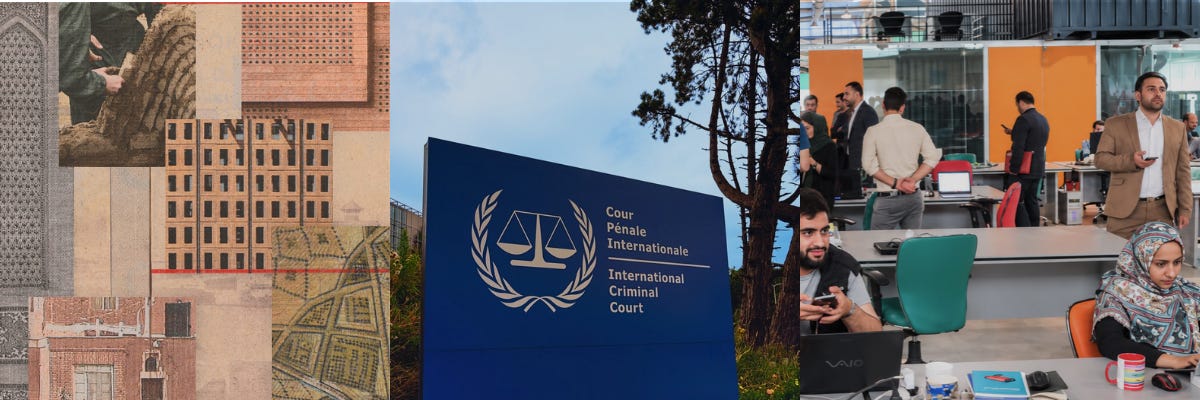
In a new essay for The Baffler, Esfandyar Batmanghelidj explores the history of brickwork in Iran, examining how its contemporary revival reflects the country’s creativity and resilience. This resilience, however, should not overshadow the constraints facing Iranian architects and engineers. Esfandyar traces how the embrace of concrete and steel during the Pahlavi era diminished the prestige of traditional bricklaying. For decades, Iran’s most skilled bricklayers worked primarily on restoring historic sites. Today, a combination of sanctions and protectionist policies have restricted access to modern construction materials and technologies, making brick one of the few available avenues for architectural innovation. Although brick has regained prestige in contemporary architecture, attracting international attention online, the workers skilled in this craft have yet to see comparable improvements in their social standing or economic circumstances.
In an interview with Neue Zürcher Zeitung last week, Darius Barik explained that the depletion of Iran’s oil stocks at sea would remove its last major source of urgently needed foreign currency, but that this would not necessarily force Tehran to concede to U.S. demands. Years of sanctions, he noted, have accustomed Iran’s economy to sustained pressure and strengthened its ability to absorb economic shocks. Barik also considered an economically driven popular uprising unlikely, with many Iranians focused on getting by rather than joining mass protests. His assessment challenges the assumption that greater economic hardship will translate into political concessions.
In a new explainer for The Sanctions Age, Poorvika Mehra of the Charity & Security Network examines how expanded U.S. sanctions against the ICC threaten the financial infrastructure and international cooperation that sustain its work. Even where general licenses permit transactions, banks and service providers may withdraw rather than navigate compliance risks, disrupting essential operations. These pressures also extend to nonprofits and human rights defenders, as legal uncertainty can discourage otherwise lawful cooperation. To protect the ICC, Mehra calls for practical measures to keep banking and payment services available to the Court and its civil society partners, alongside diplomatic opposition to the sanctions.
Thank you for engaging with our work. If you would like to share content from the Bourse & Bazaar Foundation with a friend or colleague, please click the button below: